What to Expect at an OWCP Doctor Appointment in Henderson
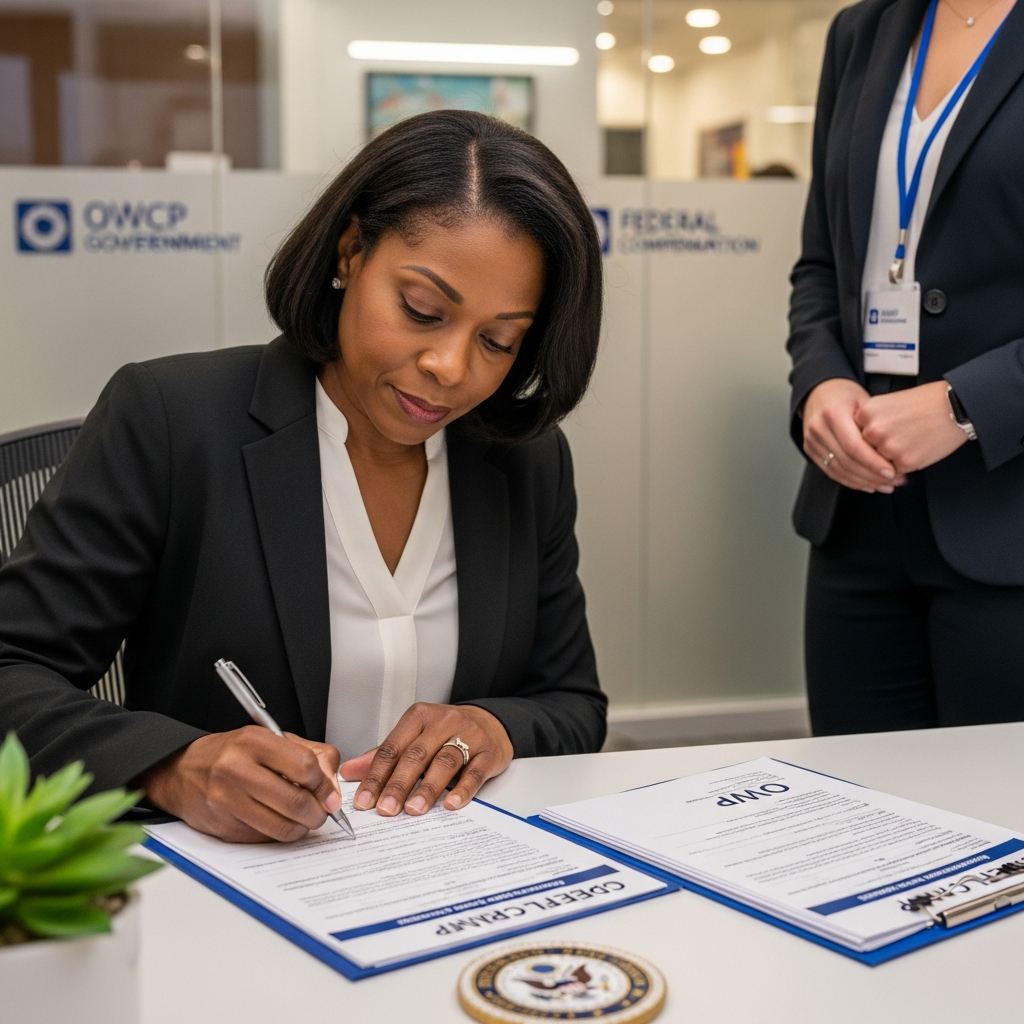
Picture this: you’ve been dealing with a work injury for weeks now – maybe it’s your back, maybe your knee, maybe something else entirely – and someone hands you a referral slip for an OWCP doctor appointment. You stare at it. You’ve heard the acronym before but honestly? The whole thing feels like alphabet soup. Federal workers’ compensation, authorized providers, form CA-17… it’s a lot. And underneath all the paperwork and bureaucracy, there’s just you, trying to figure out if you’re actually going to be okay.
That feeling is completely normal. And you’re not alone in it.
Henderson has a solid base of federal workers – postal employees, veterans’ affairs staff, TSA agents, Border Patrol, you name it. These are people who show up every single day and do physically demanding, sometimes dangerous work. When something goes wrong on the job, the Office of Workers’ Compensation Programs is supposed to be the safety net. But if you’ve never navigated this system before, walking into your first OWCP appointment can feel genuinely intimidating. Not because anything scary is going to happen, but because you don’t know what to expect. And not knowing? That might be the worst part.
Here’s the thing about OWCP appointments – they’re different from your regular doctor visits in some pretty significant ways. This isn’t like popping in to see your primary care physician who already knows your history, your kids’ names, and the fact that you hate needles. An OWCP-authorized provider is operating within a specific federal framework, documenting everything with a particular purpose, using forms and language that directly affect your claim. What gets written in your chart matters. A lot. More than most injured workers realize until after the fact.
So let’s actually talk about what happens.
This article is going to walk you through the whole thing – from what you should bring with you (and trust us, preparation here genuinely makes a difference), to how the evaluation itself typically unfolds, to what the doctor is actually assessing and why, to what happens with all that documentation afterward. We’ll also get into some things people don’t usually mention upfront, like how to communicate your symptoms clearly so they’re captured accurately, why honest and thorough descriptions matter so much in this context, and what the realistic timeline looks like for getting your treatment authorized and moving forward.
Actually, that last part – the timeline – is something that trips up a lot of people. There’s this assumption that because you’ve been injured at work and you have a case number and you’ve jumped through the initial hoops, things will just… move. Smoothly. Quickly. And sometimes they do! But understanding what the doctor’s role is in that process, versus what the claims examiner does, versus what your supervisor’s involvement is… it helps you feel less like a passenger in your own recovery.
Because here’s what we really want you to take away from all of this: you have more agency in this process than the paperwork makes it seem. Walking into your OWCP appointment informed – knowing what questions to ask, understanding why the doctor is documenting what they’re documenting, feeling clear about your rights as an injured federal worker – that changes the experience entirely. It shifts you from someone things are happening *to*, to someone actively participating in their own care and their own claim.
Your health is at the center of this. Not the forms. Not the codes. Not the bureaucratic timeline. You.
Henderson has resources available to help injured federal workers get the specialized, compliant care they need – providers who understand the OWCP system inside and out and can actually help move your case forward rather than accidentally creating documentation headaches down the road. The difference between an informed patient and an unprepared one can genuinely affect outcomes here, both medically and in terms of your claim.
So whether you’ve got an appointment coming up next week, you’re still waiting for your referral to clear, or you’re just trying to get ahead of the process and understand what you’re dealing with – keep reading. We’ve got you.
The Basics of OWCP – And Why It Feels So Different From Regular Healthcare
If you’ve ever dealt with regular health insurance, you know the drill: you pick a doctor you like, you go, you pay a copay, done. OWCP – the Office of Workers’ Compensation Programs – works almost nothing like that. And honestly? That’s the part that trips most people up before they even walk through the clinic door.
OWCP is a federal program that handles work-related injuries and illnesses for federal employees. Think postal workers, VA employees, TSA agents, federal contractors – if you work for a federal agency and you got hurt on the job, this is your system. It operates under the Department of Labor, not your employer’s HR department, which is why it sometimes feels like you’re navigating two separate bureaucracies at once. Because you kind of are.
The core idea is actually pretty logical: if you got hurt at work, your employer (in this case, the federal government) should cover your medical care and lost wages. Simple enough. The execution, though… that’s where things get complicated.
Why the Doctor’s Role Is Different Here
Here’s an analogy that might help. Regular healthcare is like going to a restaurant where you order what you want. OWCP healthcare is more like a catered event – there’s a specific menu, everything has to be approved in advance, and there’s a lot of paperwork in the kitchen that has nothing to do with the food on your plate.
Your OWCP doctor isn’t just treating you. They’re also functioning as a kind of medical translator – converting your symptoms, limitations, and recovery into official language that the Department of Labor can actually use to process your case. Every diagnosis needs specific ICD codes. Every treatment needs to tie back to your accepted condition. Every note they write could end up influencing your compensation, your return-to-work status, or your ability to get further care authorized.
That doesn’t mean your doctor isn’t genuinely focused on your health – a good OWCP provider absolutely is. It just means there’s a parallel track happening alongside your actual medical care.
Accepted Conditions – This One Confuses Everyone
Okay, this is the part that catches people off guard, so let’s just address it directly. With OWCP, your care is tied to your accepted conditions – the specific injuries or diagnoses that the Department of Labor has formally approved as connected to your workplace incident.
So even if you’re sitting in the exam room with a shoulder injury that clearly developed because of the same repetitive motion that hurt your wrist… if only the wrist is an accepted condition, the doctor’s hands are somewhat tied when it comes to treating the shoulder under your OWCP coverage. At least until you file to expand your claim.
It feels counterintuitive, especially when you’re in pain and everything feels connected. But think of it like insurance coverage for a specific appliance – your policy might cover the refrigerator, but if the dishwasher breaks, that’s a separate claim even if they’re in the same kitchen.
What “Authorized” Actually Means in Practice
You’ll hear the word “authorized” a lot in the OWCP world, and it’s worth understanding what it actually means before your appointment. Treatment authorization means the Department of Labor has given the green light for a specific procedure, referral, or course of care. Without it, treatment may not be covered – even if your doctor thinks it’s completely necessary.
This is why choosing a provider who knows OWCP inside and out genuinely matters. A doctor unfamiliar with the system might recommend something that makes perfect clinical sense but send you home without the right documentation to get it approved. Then you’re stuck waiting, appealing, or paying out of pocket for something that should’ve been covered.
Actually, that’s probably the biggest practical takeaway from all of this – OWCP expertise isn’t just a nice-to-have. It’s what keeps your care moving forward instead of stalling in paperwork.
The Henderson Connection
Henderson has a meaningful concentration of federal employees – between Nellis Air Force Base, Henderson’s various federal offices, and federal workers scattered throughout the Las Vegas metro area. That means local OWCP-experienced providers aren’t just convenient, they’re familiar with the specific patterns and needs of this workforce. That local context matters more than it might seem on the surface.
What to Bring (Don’t Skip This Part)
Seriously, this can make or break your appointment. Show up with your CA-16 or CA-17 authorization form – whichever one your employer gave you – because without it, the clinic may not be able to see you under OWCP coverage that day. Bring your Employee ID, your claim number if you already have one, and a photo ID. Also? Bring every piece of paperwork related to your injury. Incident reports, any notes from a supervisor, previous medical records if you saw someone else first. The more documentation you have, the stronger your case reads.
One thing most people don’t think about: write down your symptoms beforehand. Not a casual mental note – an actual list. Include when the pain started, what makes it worse, what makes it better, whether it’s affecting your sleep. OWCP doctors are evaluating and documenting everything, so the more clearly you can communicate your experience, the more accurately it gets captured in your official record.
How the Appointment Actually Goes
It’s not like a regular primary care visit where you chat for five minutes and get a prescription. OWCP appointments tend to be more structured, more thorough – and honestly, a bit more formal. The doctor is completing federal forms and building a medical narrative that supports (or doesn’t support) your claim, so they’ll ask specific questions about how the injury happened, what your job duties look like, and how your symptoms have changed over time.
Be honest. This sounds obvious, but people sometimes downplay their pain because they don’t want to seem dramatic – and others sometimes overcommunicate out of anxiety. Neither helps you. Just describe your reality, clearly and consistently. Inconsistency between what you say in the appointment and what’s in your intake forms can create problems down the line that are genuinely frustrating to untangle.
The physical exam will be relevant to your specific injury – if it’s a back injury, expect range-of-motion assessments; if it’s a hand or wrist issue, expect grip tests and nerve evaluations. The doctor may also recommend imaging like X-rays or an MRI, which are typically covered under your claim if they’re deemed medically necessary.
Understanding the Forms They’ll Complete
This part trips people up. Your OWCP doctor in Henderson will likely complete a CA-17 (the duty status report) at your visit, which tells the Department of Labor – and your employer – what work you can and can’t do. This is a big deal. If it shows you’re restricted to light duty, your agency is obligated to find appropriate work for you. If you’re totally unable to work, that needs to be clearly stated and medically supported.
Ask for a copy of everything before you leave. You’re entitled to your records, and having your own copies means you’re not scrambling later if something gets lost between the clinic, DOL, and your agency’s HR department. Which… does happen more than it should.
After the Appointment – The Part Everyone Forgets
Follow through on whatever the doctor recommends. This matters more than most people realize. If they refer you to physical therapy, go. If they prescribe medication, fill it. A gap in treatment – especially one you created by not following up – can be used to argue that your injury isn’t as serious as claimed. That’s not a battle you want to fight.
Keep a personal log too. Just a simple notes app entry or a paper journal – date, what you did for treatment that day, how you felt, any work limitations you experienced. It sounds tedious, but if your claim ever gets disputed or you need to appeal anything, that running record of your experience is genuinely valuable.
One More Thing Worth Knowing
Henderson has OWCP-authorized providers who deal with federal workers’ comp regularly – and that experience matters. A doctor who’s familiar with the CA forms, the DOL process, and what documentation the Office of Workers’ Compensation Programs actually needs is going to serve you better than someone who treats OWCP cases as an occasional inconvenience. Don’t be afraid to ask the clinic upfront how frequently they work with federal employees. You’re not being difficult. You’re being smart.
When Things Don’t Go as Planned
Let’s be honest – OWCP appointments aren’t always smooth. Federal workers’ comp is a notoriously complex system, and even people who’ve done everything right can hit walls that feel genuinely frustrating. Knowing what those walls look like ahead of time? That actually helps.
The Documentation Gap
This trips up more people than almost anything else. You show up, you’ve got your claim number, maybe a referral letter – and then the doctor asks for records from your treating physician, or a specific OWCP form you’ve never heard of, and suddenly the appointment feels like it’s going sideways.
Here’s what actually helps: call the clinic before your appointment – not just to confirm the time, but to ask specifically what documentation they need in hand. Ask if they need the CA-17 (the Duty Status Report), your CA-7 or CA-1 forms, or records from any previous treating providers. Most clinics will tell you exactly what they’re looking for. It takes five minutes and can save you from a completely wasted trip.
When the Doctor Doesn’t Seem to “Get” Your Job
This one’s subtle but real. OWCP examiners see a huge variety of patients, and sometimes the physician doing your evaluation doesn’t have a clear picture of what your actual work looks like day to day. A postal worker’s physical demands are completely different from a TSA officer’s, which are completely different from someone working at a federal administrative office – and those differences matter enormously when the doctor is assessing your functional limitations.
Don’t assume they know. Bring a written description of your job duties. Be specific. “I stand on concrete floors for six-hour shifts,” or “I lift mail trays averaging 35 pounds approximately 80 times per shift.” That kind of detail is what gets accurately reflected in medical reports – and it’s the medical report that OWCP is reading when they make decisions about your claim.
Feeling Rushed or Dismissed
Independent medical exams and OWCP evaluations can sometimes feel… impersonal. You might get fifteen minutes with a provider who seems more focused on their paperwork than on you as a person. That’s disheartening, and it’s okay to acknowledge that it stings a little.
What you can control is how prepared you are. Write down your symptoms in advance – all of them – because when you’re anxious or feeling rushed, you will forget things. Rate your pain levels, describe how your injury affects your sleep, your ability to do household tasks, your concentration. If something gets glossed over, it’s completely appropriate to say, “I want to make sure this gets noted – I’m also experiencing…” You’re not being difficult. You’re being thorough. There’s a difference.
Disputes About Work-Relatedness
Sometimes a physician will question whether your condition is actually related to your federal employment, and that can feel like a gut punch – especially if you’ve been dealing with this injury for months. This is actually one of the more complicated challenges because it can affect your entire claim.
If you encounter this, don’t panic – but don’t just accept it either. Ask the doctor to document their reasoning. Then contact your OWCP claims examiner and consider consulting with a workers’ comp attorney who specializes in federal claims. This is genuinely the moment to get help, not to try to navigate it alone.
The Follow-Up Fog
You leave the appointment and… then what? A lot of people describe this strange limbo where they’re not sure what happens next, who follows up with whom, or how long they should wait before calling. OWCP’s timeline can feel like watching paint dry while standing in the rain.
Before you leave the appointment, ask the front desk what the typical turnaround is for sending records to OWCP. Get a name if you can. Write down the date. Set a reminder for two weeks out to follow up if you haven’t heard anything – because being your own advocate in this system isn’t optional, it’s essential.
One More Thing Worth Saying
The OWCP process can feel dehumanizing sometimes – like you’ve become a claim number instead of a person who got hurt doing their job. That’s real, and it’s valid to feel frustrated by it. Finding a clinic that actually treats you like a human being throughout this process makes a bigger difference than people realize. Don’t settle for less than that.
What Happens Right After Your Appointment
So you’ve made it through the appointment. You answered the questions, got examined, maybe had some imaging ordered. Now what? Honestly, this is where a lot of people get frustrated – because the next phase involves waiting, and nobody loves that part.
Your doctor will typically submit their initial report to the Office of Workers’ Compensation Programs within a few days of your visit. “A few days” can mean anywhere from 2-5 business days in a well-run practice. That report documents your diagnosis, your work-relatedness determination, and any treatment recommendations. It’s essentially the foundation everything else gets built on, so it matters – a lot.
Don’t expect a phone call walking you through all of this. The OWCP system is paperwork-heavy and communication can feel… sparse. That’s just the reality of it.
Realistic Timelines (Because Nobody Should Go In Blind)
Here’s where I want to be genuinely straight with you, because too many people get blindsided by how long this process actually takes.
If your claim is relatively straightforward – a clear workplace injury, solid documentation, no disputed work-relatedness – you’re still looking at weeks, not days before things start moving. Initial claim authorization can take 30-60 days in many cases. Sometimes longer. The OWCP is a federal program processing enormous volume, and Henderson is part of the Seattle district office jurisdiction, which handles a significant caseload.
Treatment authorizations are a separate step from claim acceptance. Even after your claim gets approved, each treatment – physical therapy, specialist referrals, certain medications – often needs its own authorization request. Your doctor’s office should be managing these requests, but it’s worth asking them directly: “How do you handle authorizations, and how will I know when something’s approved?”
Some things move faster. Emergency or urgent care situations get expedited review. But routine follow-up appointments and elective procedures? Build patience into your expectations now.
What “Normal” Looks Like (Even When It Doesn’t Feel That Way)
If you leave your appointment and don’t hear anything for two weeks, that’s… actually not unusual. If your first authorization takes longer than you expected, that’s common. If you feel like you’re chasing paperwork that seems to disappear into a void – welcome to the club, and you’re not doing anything wrong.
What’s NOT normal: never hearing back at all, being repeatedly told your paperwork wasn’t received, or feeling like your doctor’s office has no idea what your case status is. Those are signals to follow up more assertively.
Actually, that reminds me of something worth mentioning – keep a simple log. Nothing fancy, just a notes app on your phone or a spiral notebook. Date of appointment, what was discussed, what was ordered, who you spoke to. When you’re six weeks in and trying to remember whether you were told three visits or six visits were authorized, you’ll be really glad you did this.
Your Role in Moving Things Forward
Here’s something people don’t always realize: you’re not just a passive participant in this process. There are things you can genuinely do to keep things from stalling.
Show up to every appointment. Missed appointments create gaps in your medical record and can complicate your claim in ways that are hard to undo. Even if you’re feeling better, even if it’s inconvenient – go.
Be consistent in how you describe your symptoms. Not exaggerating, not minimizing. Just accurate. Your medical records are a paper trail, and inconsistencies – even innocent ones – can create complications later.
Communicate changes. If your symptoms worsen, if you have a setback, if something isn’t working – tell your doctor at your next visit and make sure it’s documented. Don’t just mention it in passing at the end of an appointment and assume it made it into the notes.
Follow up on referrals. If your doctor refers you to a specialist or orders physical therapy, don’t assume the referral will handle itself. Call to confirm the authorization came through before you schedule.
When to Ask Questions
You’re allowed to ask your doctor questions – obvious, maybe, but some people feel hesitant in clinical settings. Ask about your diagnosis, your treatment plan, your expected recovery timeline, and what the next steps are before you leave the office. A good OWCP provider will expect these questions and welcome them.
This process can feel overwhelming, especially when you’re also dealing with an injury and the stress that comes with it. But knowing what’s normal – the wait times, the paperwork, the slow pace – takes at least some of the mystery out of it.
If you’ve made it this far, you probably have a sense of what walking into one of these appointments actually looks like – and hopefully, it feels a little less intimidating than it did before. That’s really all we wanted for you here.
Here’s the thing about workers’ comp appointments that nobody talks about enough: they’re not just bureaucratic checkboxes. Yes, there’s paperwork. Yes, there’s a process. But at the heart of it, you’re a person who got hurt doing your job, and you deserve care that actually makes you feel better – physically, mentally, and yes, even emotionally. The system can feel cold and confusing sometimes, and that’s completely valid. But it doesn’t have to feel that way inside the exam room.
What We Want You to Walk Away With
Going in prepared makes such a difference. Knowing to bring your documentation, being ready to describe your symptoms honestly and specifically, understanding that the doctor is there to evaluate *and* to help… these small things shift the whole experience. You’re not walking into an interrogation. You’re walking into a conversation about your health.
And that conversation matters. What you say – and how clearly you say it – can shape your treatment plan, your recovery timeline, and honestly, the trajectory of your claim. So take it seriously, but don’t stress yourself out about being “perfect.” Just be honest. That’s really all you need to be.
You’re Not Alone in This
A lot of people come to us feeling a little lost in the OWCP process. Maybe their claim got complicated. Maybe they’re not sure if their symptoms are being taken seriously. Maybe they just don’t know what’s supposed to happen next. If any of that sounds familiar – welcome to the club, because you are definitely not the first person to feel that way.
Recovery from a work-related injury isn’t always a straight line. There are good weeks and frustrating weeks. There are moments where it feels like the paperwork multiplies overnight. But having the right medical team in your corner – people who understand both the clinical side *and* the OWCP process – makes a genuinely meaningful difference. Not in a fluffy, feel-good way. In a real, practical, this-actually-affects-your-outcomes way.
We’re Here When You’re Ready
If you’re navigating an OWCP claim in Henderson and you’re looking for a clinic that gets it – that understands the documentation requirements, the federal guidelines, and also just… understands that you’re a human being who’s been through something hard – we’d love to talk.
No pressure, no hard sell. Just reach out, ask your questions, and let’s figure out together whether we’re the right fit for what you need. Sometimes that first phone call is the hardest part, and we genuinely mean it when we say we make it easy.
You went to work. You got hurt. You deserve to get better. And you deserve a team that actually helps you get there – not one that makes you feel like a case number in a filing cabinet.
Whenever you’re ready, we’re here.