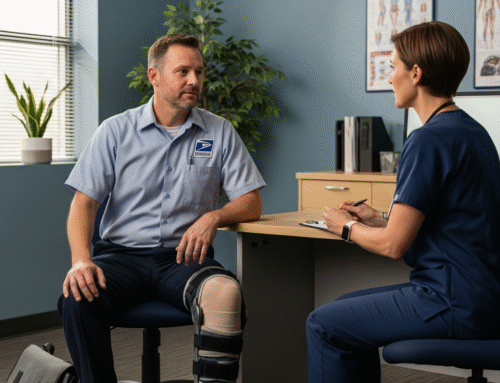
Medical Treatment Options for OWCP Injury Claims in Vegas

You’re sitting in the doctor’s waiting room, that familiar OWCP paperwork clutched in your hands, and you can practically feel your stress levels climbing. The receptionist just told you they “don’t really deal with workers’ comp cases” – again. This is the third office this week that’s given you the runaround, and honestly? You’re starting to wonder if getting proper medical care after your workplace injury is going to be harder than the actual recovery.
If this sounds painfully familiar, you’re definitely not alone. Here in Las Vegas, navigating the maze of medical treatment options for OWCP (Office of Workers’ Compensation Programs) claims can feel like trying to find your way through a casino at 3 AM – everything looks similar, nothing makes complete sense, and you’re not entirely sure you’re headed in the right direction.
Here’s the thing that nobody really tells you upfront: having an OWCP claim doesn’t mean you’re stuck with whatever doctor happens to be available or willing to see you. You actually have more options than you might realize… but (and this is a big but) knowing those options and actually accessing them are two very different things.
Maybe you’ve already discovered this the hard way. You call a specialist’s office, mention your federal workers’ comp claim, and suddenly hear that dreaded phrase: “We’ll have to call you back.” Translation? They’re probably going to pass. It’s frustrating as hell, especially when you’re dealing with real pain and need answers now, not three weeks from now when someone finally returns your call.
The reality is that while Las Vegas has some incredible medical facilities – we’re talking world-class hospitals and specialists who regularly treat everything from casino workers’ repetitive stress injuries to postal workers’ back problems – the trick is knowing which doors to knock on and exactly how to knock on them.
Why Vegas Makes This Even More Complicated
Living in Las Vegas adds its own unique wrinkles to this whole process. We’ve got this weird mix of being a major metropolitan area with seriously good medical infrastructure, but also being somewhat isolated geographically. Plus, our economy is heavily service-based, which means we see a lot of specific types of workplace injuries – think housekeepers with shoulder problems, food service workers with burns, security personnel with back injuries from standing all day.
The good news? Because Vegas sees so many workers’ comp cases, there are actually quite a few medical providers here who really understand the OWCP system. The challenge is finding them and understanding how to work with them effectively.
What You’re Really Up Against
Let me be honest with you – the OWCP system wasn’t exactly designed with patient convenience in mind. It’s a federal program with specific rules, particular forms (so many forms), and a somewhat rigid approval process. Some doctors love working with it because they know they’ll get paid reliably. Others avoid it like the plague because of the paperwork and approval hoops.
But here’s what I’ve learned after helping countless people navigate this system: once you understand how it actually works – not how you think it should work, but how it really operates – you can get excellent medical care. You just need to know the right moves to make.
What We’re Going to Cover
Over the next several sections, we’re going to walk through everything you need to know about getting medical treatment for your OWCP claim here in Las Vegas. We’ll talk about your initial treatment options (spoiler alert: you have more than you think), how to find specialists who actually want to work with OWCP patients, what to do when you get pushback from providers, and how to navigate those inevitable bureaucratic hiccups that seem to pop up at the worst possible moments.
We’ll also dig into some Vegas-specific resources that most people don’t know about, discuss how to handle second opinions and specialist referrals, and – probably most importantly – how to advocate for yourself when things aren’t moving fast enough.
Because at the end of the day, you shouldn’t have to choose between getting proper medical care and dealing with endless administrative headaches. You definitely shouldn’t have to settle for subpar treatment just because you got hurt at work.
What OWCP Actually Means (And Why It Matters for Your Health)
Let’s be honest – OWCP sounds like alphabet soup, doesn’t it? The Office of Workers’ Compensation Programs is basically the federal government’s way of taking care of employees who get hurt on the job. Think of it as your safety net when work… well, when work literally hurts you.
If you’re a federal worker in Vegas – whether you’re handling mail at the post office, working security at a federal building, or doing any number of government jobs – OWCP is your lifeline when injury strikes. It’s not just about getting your medical bills paid (though that’s huge). It’s about making sure you can actually get back to being… you.
The Medical Treatment Maze
Here’s where things get interesting – and honestly, a bit frustrating. Getting medical treatment through OWCP isn’t like walking into any doctor’s office and flashing your insurance card. There’s a whole system, and understanding it can feel like trying to solve a Rubik’s cube while blindfolded.
First off, you can’t just see any doctor. I know, I know – it sounds limiting, but there’s actually logic behind it. OWCP has a network of approved healthcare providers who understand federal workers’ compensation cases inside and out. These doctors speak the language of work-related injuries and know exactly what paperwork needs to be filed, when, and how.
Think of it like this: if your car breaks down, you don’t take it to just any mechanic – you want someone who knows your specific make and model. Same principle applies here.
The Provider Selection Process
This is where things can get… well, complicated. You have some choices, but they’re not unlimited. OWCP typically gives you a list of approved doctors in your area. In Vegas, you’ll usually have several options – orthopedic specialists, pain management doctors, physical therapists, and yes, even medical weight management specialists when your injury affects your overall health and mobility.
Sometimes (and this might sound counterintuitive) having fewer choices actually works in your favor. These approved providers already know the OWCP system, which means less back-and-forth, fewer delays, and – hopefully – faster treatment.
But here’s the catch – if you really, truly want to see a specific doctor who’s not on the approved list, you can request it. The process involves more paperwork than assembling IKEA furniture, but it’s possible.
Understanding Treatment Authorization
Now this part can be genuinely confusing, so don’t feel bad if it takes a while to sink in. Not every treatment is automatically approved just because an OWCP doctor recommends it. Think of it like getting approval for a big purchase at work – there’s a process.
Basic treatments? Usually straightforward. Physical therapy, standard medications, routine follow-ups – these typically get approved without much hassle. But when we start talking about more comprehensive treatments – like medical weight loss programs for someone whose injury has led to significant mobility issues and weight gain – that’s when the approval process gets more involved.
The Second Opinion Reality
Here’s something that catches a lot of people off guard: OWCP can (and sometimes will) require a second opinion. Actually, let me rephrase that – they can require what’s called an Independent Medical Examination, or IME.
I’ll admit, this can feel a bit… invasive? Like they’re questioning your doctor’s judgment. But try to think of it as quality control rather than skepticism. These second opinions often help clarify treatment plans and can actually speed up approvals for more comprehensive care.
When Weight Management Becomes Part of Treatment
This is where things get particularly relevant for our clinic. When a work injury affects your mobility, your metabolism, your ability to exercise – suddenly, managing your weight isn’t just about looking good. It becomes a legitimate medical necessity for your recovery.
Maybe you’re a postal worker who injured your back, and now walking is painful. Or perhaps you’re dealing with a shoulder injury that’s made your usual exercise routine impossible. The weight gain that follows isn’t just frustrating – it can actually slow your recovery and create new health problems.
OWCP is starting to recognize this connection more and more. Medical weight management isn’t vanity care when it’s directly related to your work injury and recovery process. But getting it approved? That’s where understanding the system really pays off…
Getting the Right Doctors on Your Side
Here’s the thing most people don’t realize about OWCP claims in Vegas – your choice of doctor can make or break your case. Not all physicians understand the federal workers’ compensation system, and honestly? Some avoid it like the plague because of the paperwork nightmare.
Start with the approved provider list from OWCP. I know, I know… it’s not the most exciting reading material. But this list is your golden ticket. These doctors already know the ropes, they understand the forms (CA-16, CA-17, all those fun acronyms), and they won’t look at you like you have three heads when you mention federal workers’ comp.
Pro tip: Call the doctor’s office before your appointment and specifically ask if they handle OWCP claims regularly. You want someone who does this weekly, not someone who’ll spend twenty minutes figuring out which form to use.
The Initial Treatment Authorization Dance
Getting that CA-16 form authorized is like solving a puzzle while blindfolded. Your supervisor needs to sign off, but here’s what they don’t tell you – timing is everything. The sooner you get medical attention, the stronger your case becomes.
If it’s an emergency (and I mean actual emergency, not “my back kinda hurts”), go to the ER first and worry about paperwork later. Document everything – literally everything. Take photos of visible injuries, save all receipts, even for that Uber to the doctor’s office.
For non-emergency situations, try to get that CA-16 signed before your first appointment. It saves you from paying out of pocket and then playing the reimbursement waiting game… which, let’s be honest, nobody enjoys.
Navigating Specialist Referrals Without Losing Your Mind
This is where things get interesting (and by interesting, I mean potentially frustrating). You can’t just waltz into a specialist’s office – you need a referral, and that referral needs OWCP approval.
Here’s the insider secret: Work with your treating physician to write a detailed referral request. Don’t just say “patient needs orthopedic consultation.” Explain exactly why – what conservative treatments have been tried, what specific issues need specialist attention, how it relates to the work injury. The more detailed, the better your chances of quick approval.
Keep copies of everything. I cannot stress this enough. When (not if) paperwork gets lost in the bureaucratic shuffle, you’ll thank me for this advice.
Understanding Treatment Limitations and Workarounds
OWCP doesn’t approve everything under the sun, and some treatments that work wonders aren’t covered. Physical therapy? Usually good. Massage therapy? Trickier. Alternative treatments like acupuncture or chiropractic care? Depends on your case manager’s mood… kidding, but not really.
The key is medical necessity documentation. Your doctor needs to clearly explain why each treatment is necessary for your work-related injury. If your first choice gets denied, don’t give up. Appeal with additional documentation, or ask your doctor about alternative approaches that might be covered.
Working the Vegas Medical Network
Vegas has some excellent OWCP specialists, but you need to know where to look. The big hospital systems (UMC, Sunrise, Valley Health) usually have providers who understand federal workers’ comp. Smaller practices… it’s hit or miss.
Ask other federal employees for recommendations. That postal worker who hurt her back last year? She’s got insider knowledge about which orthopedist actually calls you back. The maintenance guy who dealt with a shoulder injury? He knows which physical therapy clinic doesn’t make you wait three weeks for an appointment.
Managing Multiple Injuries and Complex Cases
If you’re dealing with multiple injuries (because let’s face it, when things go wrong at work, they really go wrong), you need a strategy. Don’t try to handle five different specialists without a primary treating physician coordinating care. It becomes a communication nightmare.
Your primary doctor should be the quarterback, managing all the moving pieces. Make sure they understand the full scope of your injuries and how they connect to your work incident. Sometimes injuries that seem unrelated are actually part of the same compensation event.
Documentation That Actually Matters
Every phone call with OWCP, every appointment, every treatment – document it all. But smart documentation means knowing what’s important. Record the date, who you spoke with, reference numbers, and specific outcomes or decisions made.
Keep a simple notebook or phone notes with this information. When someone asks “didn’t we already approve that?” six months from now, you’ll have the ammunition to prove your case. Trust me, your memory isn’t as good as you think it is, especially when you’re dealing with pain and stress.
When Your Doctor’s Office Feels Like a Maze
Let’s be honest – finding a doctor who actually understands OWCP can feel like searching for a unicorn in the Vegas desert. You’d think in a city this size, it’d be simple. But here’s the thing… most physicians have maybe handled a handful of federal workers’ comp cases in their entire career.
The solution isn’t to settle for whoever’s closest. Start by calling the OWCP directly and asking for their approved provider list in your area. Yeah, it’s an extra step, but trust me – working with a doctor who knows the paperwork inside and out will save you months of headaches down the road.
The Paperwork Nightmare (And Why It Matters More Than You Think)
You know what nobody tells you about OWCP claims? The medical reports aren’t just “nice to have” documentation – they’re literally the foundation of your entire case. One vague sentence from your doctor can derail everything.
I’ve seen claims denied because a physician wrote “patient reports back pain” instead of “objective findings consistent with lumbar strain secondary to workplace injury.” Same injury, completely different outcome.
Here’s what you need to do: Before every appointment, bring a written summary of your symptoms, how they’re affecting your work and daily life, and any specific incidents that made them worse. Don’t rely on your memory in the moment – pain and stress mess with your ability to communicate clearly.
And here’s something that might sound pushy, but it works: Ask your doctor to read their notes back to you before you leave. Most docs are happy to do this when they understand how critical accurate documentation is for your claim.
The Authorization Runaround
Oh, this one’s a doozy. You need an MRI, but OWCP says you need more conservative treatment first. Your doctor recommends physical therapy, but the approved PT clinic is booked for six weeks. Meanwhile, you’re still working in pain because… well, bills don’t pay themselves.
The trick here is staying ahead of the game. As soon as your doctor mentions any treatment – and I mean the moment they suggest it – ask them to submit the authorization request to OWCP immediately. Don’t wait for symptoms to get worse or for the current treatment to “fail.”
Also, and this is important – keep a paper trail of everything. Email follow-ups after phone calls, certified mail for important documents. I know it feels excessive, but when there’s a dispute about timing or what was requested when, that documentation becomes gold.
When Specialists Keep Passing the Buck
You’ve probably been there – your primary care doctor refers you to an orthopedist, who refers you to a neurologist, who wants you to see a rheumatologist. Each appointment is weeks apart, and everyone’s waiting for someone else to take the lead on your OWCP paperwork.
Here’s a strategy that actually works: Before scheduling with any specialist, call their office and specifically ask if they have experience with federal workers’ compensation cases. If they hem and haw or seem uncertain, keep looking.
When you do find the right specialist, make it crystal clear from day one that this is an OWCP case and you’ll need detailed reports. Some practices even have specific forms or processes for federal claims – but you won’t know unless you ask upfront.
The “Return to Work” Pressure Cooker
This might be the hardest part of all… Your employer’s calling, asking when you’ll be back. OWCP wants updated work capacity evaluations. Your doctor’s asking what you can handle. And honestly? Some days you’re not even sure yourself.
Don’t rush this part. I know the pressure is intense – financial stress is real, and nobody wants to feel like they’re letting their team down. But returning to work before you’re ready often means re-injury and starting this whole process over again.
Work with your doctor to establish very specific, measurable limitations. Not “light duty” but “no lifting over 15 pounds, no prolonged standing, frequent position changes every 30 minutes.” The more specific your restrictions, the easier it is for everyone to understand what you can and can’t do safely.
And remember – your job is to heal, not to make everyone else comfortable with your timeline. That’s easier said than done, I know… but your future self will thank you for taking the time to get this right.
What to Expect: The Reality of Federal Injury Recovery
Here’s the thing nobody tells you upfront – federal injury cases don’t move at lightning speed. I know, I know… you’re probably thinking “great, more bureaucracy.” But understanding the actual timeline helps you set realistic expectations instead of checking your mailbox every day like you’re waiting for Publisher’s Clearing House.
Most OWCP claims take anywhere from 30 to 90 days for initial approval, assuming your paperwork is complete. And that’s just the beginning. The medical treatment approval process? Well, that’s its own beast entirely.
Pre-authorization can take 2-4 weeks for most treatments, though urgent care situations move faster. Think of it like getting approval for a home renovation – the more extensive the work, the more review it needs. A simple physical therapy referral might get the green light in a few days, but specialized procedures or surgery consultations… those require more patience.
Your First Steps After Approval
Once you get that sweet approval letter (and yes, celebrate a little – you’ve earned it), you’ll want to move quickly but smartly. The OWCP typically gives you specific instructions about which providers you can see, and straying from that list without permission is like going off-script in a play – it rarely ends well.
Start by calling the approved medical providers in Vegas. Some have waiting lists, especially the good ones. Don’t be discouraged if the first available appointment is three weeks out – that’s actually pretty normal. Use this time to gather all your medical records, write down your symptoms and how they’ve changed since the injury, and… this might sound odd… start a simple pain journal.
Actually, that reminds me – keeping track of your symptoms, even briefly, becomes incredibly valuable later. You don’t need a novel, just “Tuesday: back pain 7/10, couldn’t lift boxes at work” or whatever applies to your situation.
Building Your Medical Team
Here’s where things get interesting. Your treating physician becomes your advocate in this process, not just someone who examines you for ten minutes and sends you on your way. They’re the ones who’ll write the reports that determine your ongoing care, so finding someone who understands OWCP cases makes a huge difference.
In Vegas, you’ll find doctors who specialize in federal workers’ compensation – they know the paperwork, understand the approval processes, and frankly, they’re used to dealing with the unique challenges that come with treating federal employees. It’s worth asking specifically about their experience with OWCP when you call for appointments.
The Documentation Dance
Let me be straight with you – documentation is everything in this world. Every appointment, every treatment, every improvement or setback needs to be recorded properly. Your doctor’s notes become the foundation for any future claims, whether that’s ongoing treatment, time off work, or even permanent disability considerations down the road.
You’ll receive copies of medical reports, and yes, you should actually read them. Sometimes doctors miss details or misunderstand how your injury affects your specific job duties. If something seems off, speak up. This isn’t the time to be polite and hope for the best.
Managing Work and Treatment
Balancing treatment appointments with your federal job requires some strategic thinking. Many Vegas medical providers offer early morning or late afternoon appointments specifically for working patients. Physical therapy clinics, in particular, often have extended hours.
If your injury affects your ability to do your regular job duties, your doctor can provide work restrictions – and your agency has to accommodate these restrictions or provide modified duties. This isn’t a favor they’re doing you; it’s actually required under federal guidelines.
When Progress Feels Slow
Recovery timelines vary dramatically depending on your injury type, age, overall health, and honestly, sometimes just luck. Some people feel significantly better within weeks, while others need months or longer. That’s normal, not a reflection of your determination or toughness.
The key is maintaining open communication with your medical team and OWCP case manager. If treatments aren’t helping after a reasonable trial period, speak up. Sometimes the first approach isn’t the right one, and adjustments are completely normal.
Remember – this process exists to help you recover and return to full function. Yes, it involves paperwork and waiting periods that can feel frustrating, but thousands of federal employees in Vegas have successfully navigated this system. You’ve got this, even when it doesn’t feel like it.
Getting the Help You Deserve
Look, dealing with a work injury is tough enough without having to navigate the maze of OWCP claims and figure out which doctors actually understand federal workers’ compensation. You’re probably feeling overwhelmed – maybe even a little frustrated that something that should be straightforward has turned into this complicated process.
Here’s the thing though… you don’t have to figure this all out alone.
Las Vegas has some genuinely excellent medical professionals who specialize in treating federal employees. They get it – they understand the paperwork, the approval processes, and most importantly, they know how to help you heal while protecting your benefits. These aren’t just any doctors; they’re the ones who’ve made it their mission to understand the unique challenges that come with workplace injuries.
Whether you’re dealing with a back injury from lifting, repetitive stress from years at a desk, or something more complex, the right medical team can make all the difference. And honestly? Getting proper treatment early often means getting back to your life faster. It’s not just about following protocols (though that matters for your claim) – it’s about actually feeling better.
The approval process might seem daunting, but remember that OWCP wants you to get appropriate care. When you work with providers who know the system, who document everything correctly, and who communicate effectively with the claims office… well, things tend to go much smoother.
Don’t let the complexity of the system keep you from getting the care you need. Your health isn’t something to put on the back burner while you try to decode federal regulations. The sooner you connect with the right medical support, the sooner you can start focusing on what really matters – getting better.
You Don’t Have to Wait
If you’re reading this because you’re dealing with a workplace injury, or if you’re just trying to understand your options before you need them, we’re here to help. Our team understands both the medical side and the administrative side of federal workers’ compensation. We’ve helped countless federal employees navigate this process, and we’d be honored to help you too.
You can reach out with questions – no pressure, no sales pitch. Just real answers from people who genuinely care about helping federal workers get the support they deserve. Sometimes a quick conversation can clear up confusion that’s been weighing on you for weeks.
Give us a call or send a message. We’re here to listen, to answer your questions, and to help you understand your options. Because here’s what we believe: every federal employee deserves access to quality medical care when they’re injured on the job, and they deserve to have someone in their corner who knows how to make that happen.
Your recovery matters. Your peace of mind matters. And getting the right help doesn’t have to be a struggle.